The Nature of Luck in Gambling
Luck is an elusive concept, often regarded as a random force that influences outcomes in various aspects of life, especially in gambling environments like casinos. Many players enter these establishments with the belief that luck plays a pivotal role in their ability to win or lose, especially when trying out online pokies australia , where the thrill of chance can enhance the gaming experience. In reality, this notion has a psychological effect; players may feel more optimistic and confident when they believe luck is on their side, which can influence their decision-making and behavior at the tables or machines.
Statistically speaking, games in a casino operate on random number generators or predetermined odds, meaning that luck is merely an illusion. However, the excitement of chance can still be captivating, drawing people into a world where they hope to strike it rich. The belief in luck can create an atmosphere of anticipation and thrill, which is central to the allure of gambling. This phenomenon showcases how deeply ingrained the concept of luck is within the human psyche, especially when it comes to uncertain outcomes.
Additionally, many gamblers develop personal rituals or superstitions in hopes of attracting good fortune. These could range from wearing specific clothing to using lucky charms or reciting certain phrases before placing bets. While these practices do not statistically improve one’s chances of winning, they can enhance the gambling experience by adding a personal layer of engagement and enjoyment, paradoxically intertwining luck and personal belief in shaping one’s fate.
The Role of Skill in Casino Games
While luck is an undeniable factor in casinos, skill also plays a significant role, especially in games like poker, blackjack, and other card games. In these situations, players must apply strategies and techniques that can help them make more informed decisions, potentially influencing the outcome in their favor. Skilled players understand the odds, probabilities, and nuances of the game, which gives them an advantage that luck alone cannot provide.
For instance, in poker, successful players often read their opponents and assess risk versus reward based on the hand they hold. The ability to bluff, manage a bankroll effectively, and recognize betting patterns can turn the tide of the game, making skill just as crucial as luck. This interaction between skill and chance creates a dynamic gaming environment where the best players can consistently outperform others who may rely solely on luck.
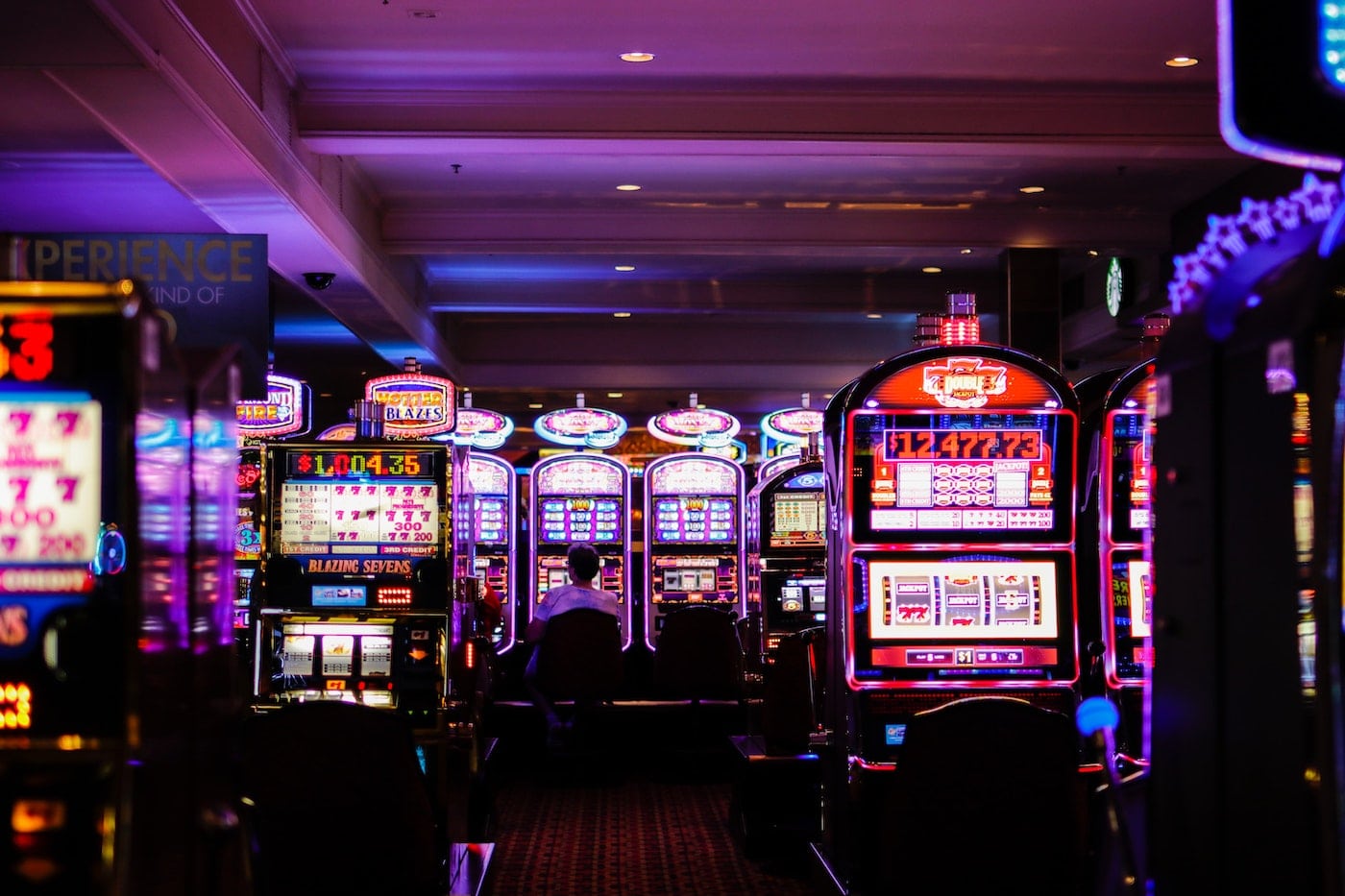
Moreover, many casinos offer games where skill levels can dramatically affect the result. In games like baccarat, players can employ strategies to increase their winning chances, although luck still plays a part in the precise outcomes of each round. The nuanced blend of skill and chance not only enhances the player experience but also leads to discussions about the fairness and competitive nature of gambling itself.
The Psychological Impact of Winning and Losing
The experience of winning can have a profound psychological impact on players at a casino, often reinforcing the belief that luck determines their fate. Winning can trigger a rush of dopamine, leading to feelings of excitement and euphoria, which can in turn lead to increased spending and more extended play. This reinforcement can create a cycle where players believe that they are “due” for a win or that their luck will eventually turn around, leading to attachment and sometimes compulsive behaviors.
Conversely, losing streaks can have a detrimental effect on a player’s mindset. The disappointment and frustration from losses might lead individuals to chase their losses, hoping that their luck will change, leading them to wager more than they initially intended. This psychological cycle can lead to irrational decision-making, where emotions take precedence over sound financial judgment, creating an environment where luck appears to have more power over their fate than it statistically does.
Understanding the psychological influences at play in a casino setting can help players make more informed decisions. Recognizing when emotions are clouding judgment allows individuals to step back and reassess their strategies, ultimately leading to a more responsible gambling experience. As players become more aware of these mental traps, they can better manage expectations about luck and its true role in their gambling endeavors.
Cultural Perceptions of Luck and Gambling
Cultural beliefs and perceptions about luck can vary significantly around the world, influencing how people approach gambling in casinos. For example, in some cultures, particular numbers or symbols are viewed as lucky or unlucky, affecting which games and bets players choose. This collective belief system can shape individual behavior and attitudes toward risk-taking, ultimately impacting the dynamics in casinos across different regions.
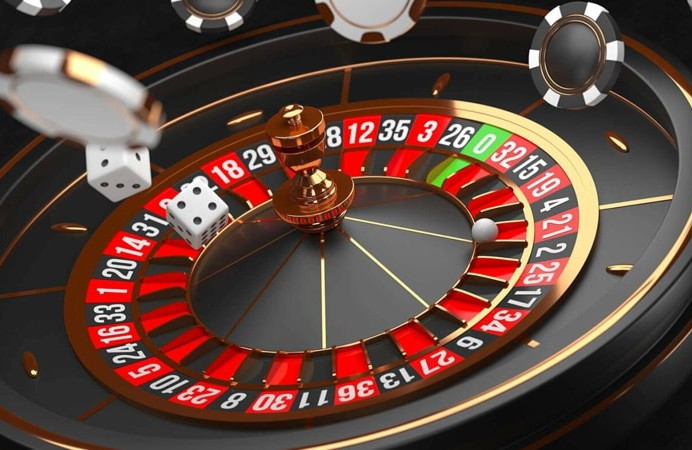
In many cultures, luck is entwined with spirituality and rituals, leading to practices that seek to attract favorable outcomes. People may visit temples or perform specific ceremonies before entering a casino, believing that these actions can influence their luck. Such cultural nuances highlight the intricate relationship between belief, fate, and gambling, emphasizing that luck is not merely a random occurrence but also a constructed idea shaped by societal values.
The global nature of the gambling industry has led to a blend of cultural perceptions, where players from different backgrounds converge in casinos. This melting pot creates a fascinating environment where varying beliefs about luck coalesce, influencing how individuals perceive their chances of winning and their overall experience. Understanding these cultural dimensions provides insight into human behavior in gambling scenarios, reinforcing the idea that luck is as much a social construct as it is a chance occurrence.
Conclusion and Insight into Gambling Strategies
Ultimately, while luck can indeed sway outcomes in casinos, it is essential for players to recognize that it is just one component of a much larger picture. As we’ve explored, the interplay of skill, psychology, and cultural beliefs plays a significant role in shaping the gambling experience. Embracing a balanced approach that acknowledges both luck and skill can lead to a more enjoyable and responsible gaming environment.
For those looking to enhance their gambling strategies, understanding the odds and learning specific skills can significantly improve one’s chances of success. Moreover, being mindful of emotional and psychological responses while playing can help individuals navigate the highs and lows of gambling without succumbing to impulsive decisions driven solely by the hope of lucky outcomes.
In pursuit of a rewarding gambling experience, it is crucial to adopt a well-rounded perspective that embraces both the reality of chance and the power of strategy. By doing so, players can truly enjoy the thrill of the game, tempered by an understanding of their own capabilities and the inherent unpredictability of luck in a casino setting.